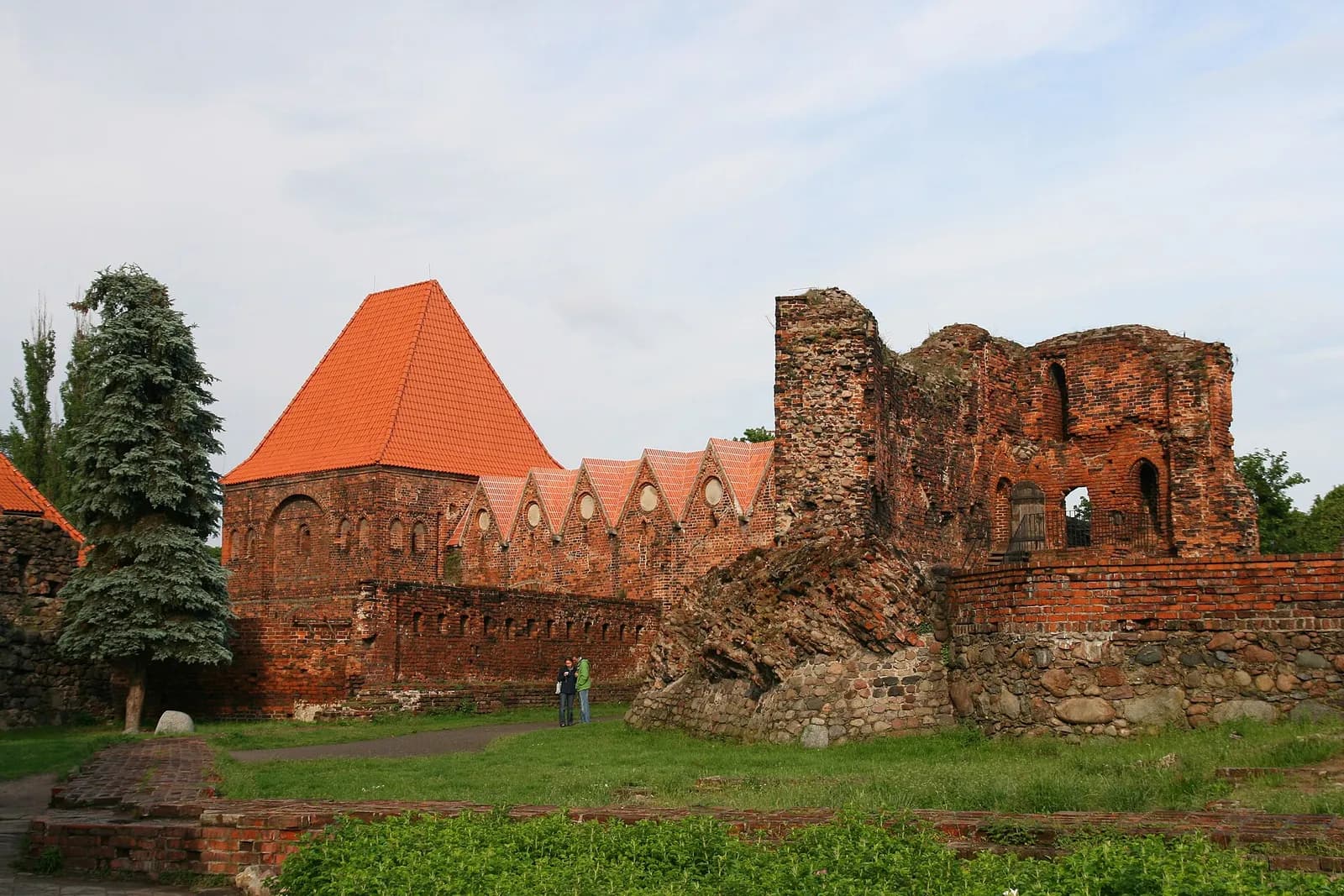
Among the Gothic churches, colourful townhouses and cobbled streets of Toruń's UNESCO-listed Old Town lies one of the city's most overlooked landmarks. Just a short walk from the bustling Rynek Staromiejski, the ruins of Zamek Krzyżacki in Toruń offer a fascinating glimpse into the city's medieval past and the dramatic events that helped shape Poland's history.
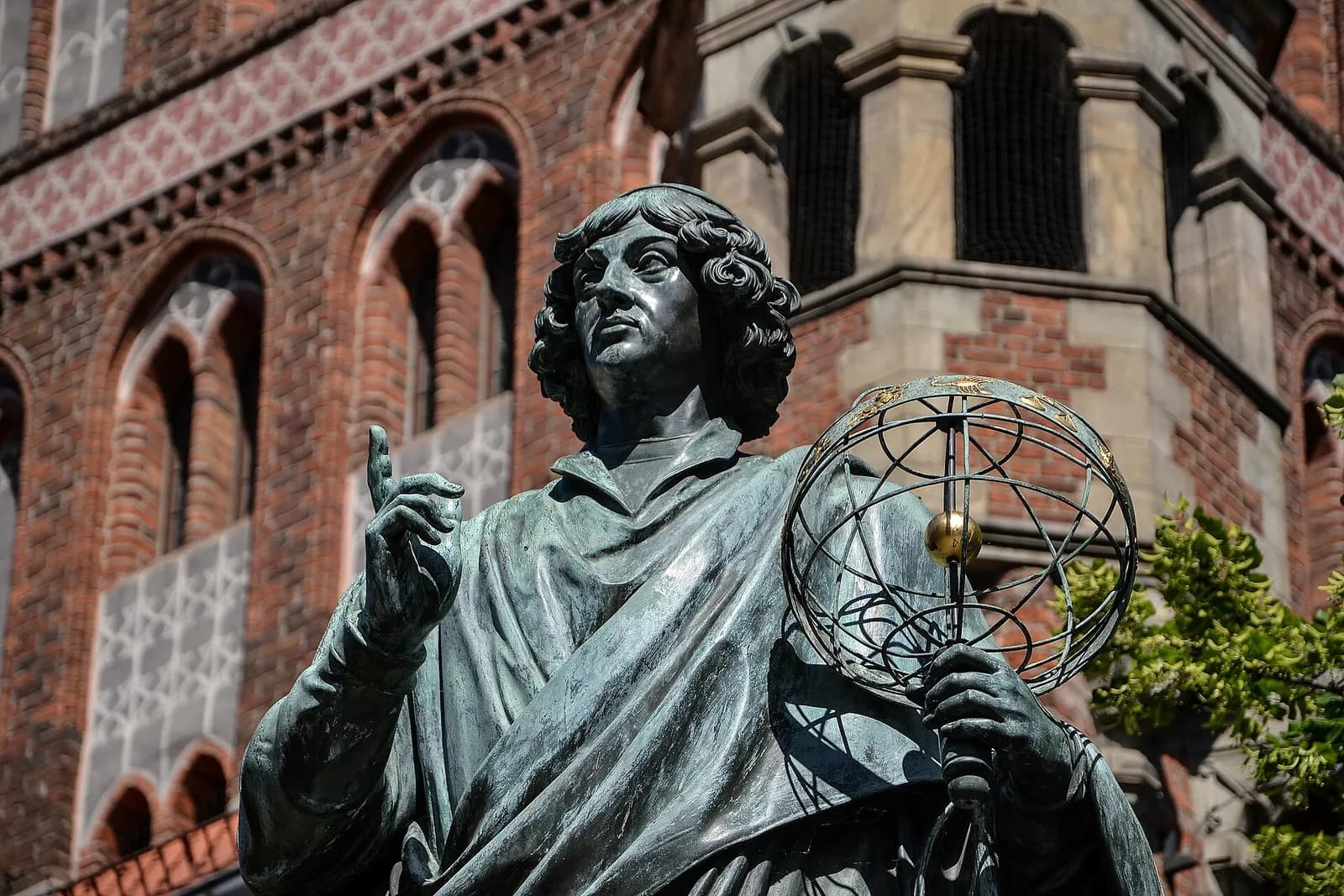
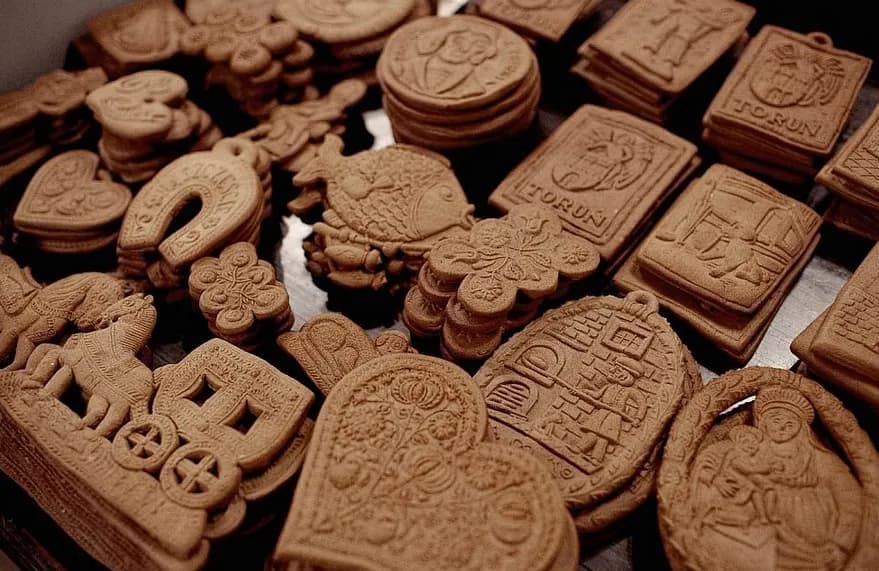
Today, visitors can wander through underground chambers, explore centuries-old brick walls and admire the striking Gdanisko tower. It is a peaceful corner of the city, yet more than 750 years ago this was one of the most powerful strongholds in the region. Long before Toruń became known for Nicolaus Copernicus or its famous gingerbread, this castle stood at the centre of political power, military strategy and everyday life.
The Beginning of the Teutonic Order's Presence in Toruń
Construction of the castle began during the middle of the 13th century, shortly after the Teutonic Order established itself in Chełmno Land. It is widely recognised as the first brick castle built by the Order in the region, marking the beginning of a building programme that would eventually produce some of Europe's most impressive medieval fortresses.
Unlike the perfectly symmetrical castles that many people associate with the Teutonic Knights, the fortress in Toruń followed a distinctive horseshoe-shaped plan. Rather than being designed on an empty site, it was adapted to the landscape and earlier fortifications that already occupied this part of the city. That unusual layout still sets it apart from other surviving Teutonic castles across northern Poland.
The castle became home to the Komtur of Toruń, who oversaw the administration of the surrounding lands while controlling trade routes along the River Vistula. Positioned between what are now the Old Town and New Town, the fortress occupied one of the most strategically important locations in medieval Toruń.
A Self-contained Medieval Community
Behind its defensive walls, the castle was far more than a military fortress. It functioned as a busy community where members of the Teutonic Order lived, worked and worshipped. Residential buildings, workshops, storehouses and stables surrounded the central courtyard, while a chapel and refectory supported daily religious and communal life.
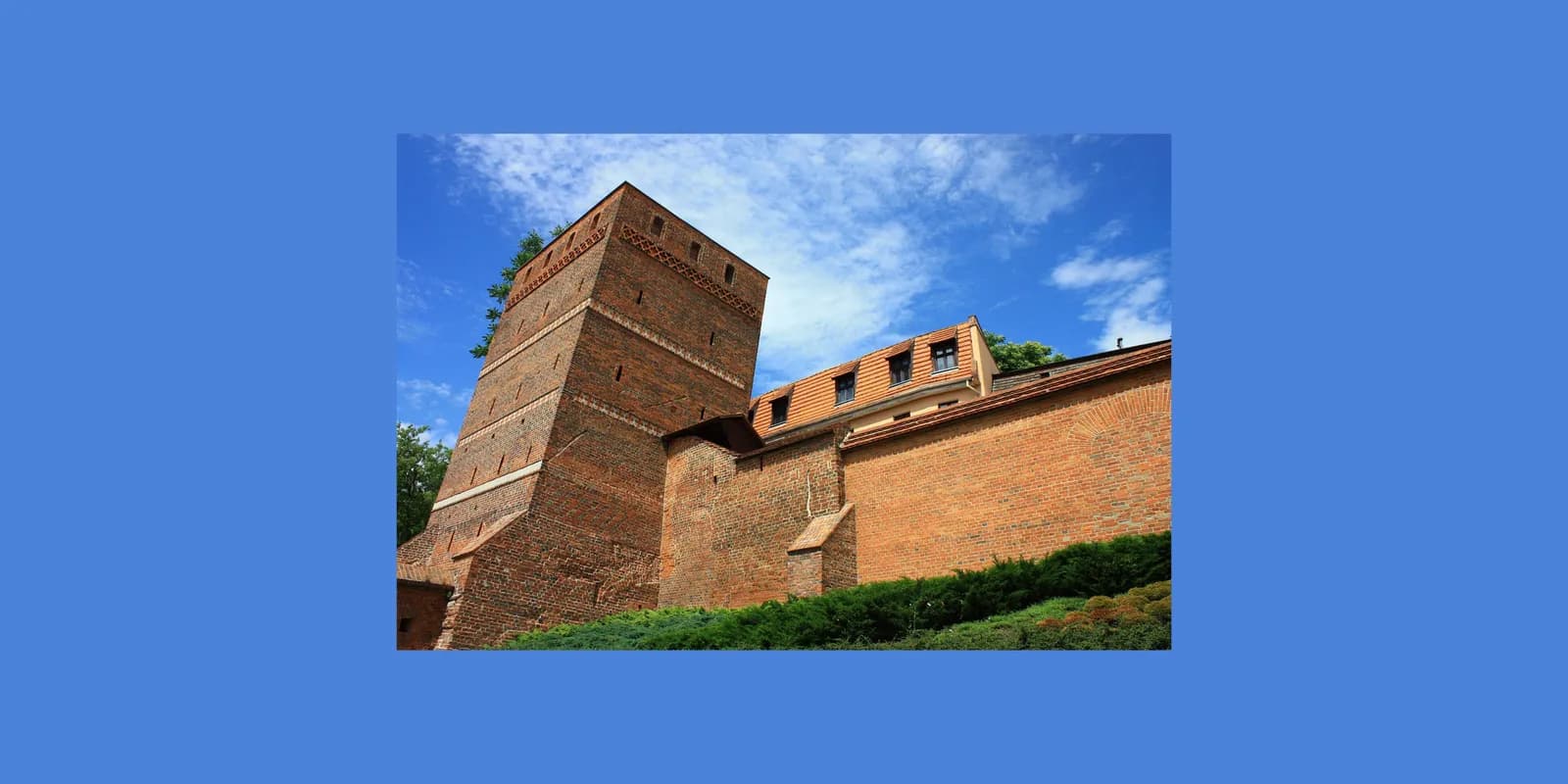
One feature continues to capture the attention of visitors today. The castle's Gdanisko, connected to the main complex by an elevated covered walkway, served as both a latrine tower and an additional defensive structure. While its original purpose may seem unusual to modern visitors, it represents an ingenious piece of medieval engineering and remains one of the best-preserved structures of its kind anywhere in Europe. Rising above the surrounding ruins, it has become the defining image of Zamek Krzyżacki and one of Toruń's most recognisable historic landmarks.
The Day the People of Toruń Changed History
The castle's story took a remarkable turn in February 1454.
Instead of falling to a foreign army, the fortress was captured by the citizens of Toruń themselves during the uprising led by the Prussian Confederation against the Teutonic Order. Rather than occupying the castle, the townspeople made the bold decision to dismantle it, ensuring it could never again be used as a symbol of Teutonic power.
That act of defiance marked the beginning of the Thirteen Years' War between the Kingdom of Poland and the Teutonic Order, a conflict that transformed the balance of power across the region. Few medieval castles can claim such an extraordinary legacy, making the ruins not simply an archaeological site but a lasting symbol of Toruń's determination and independence.
Beneath Centuries of History
After its destruction, much of the castle's brickwork was reused in other buildings across Toruń, while the remaining ruins gradually disappeared beneath layers of earth. For generations, large sections of the fortress lay hidden beneath the city.
It was not until archaeological excavations during the twentieth century that the scale of the surviving remains became clear. Researchers uncovered medieval foundations, vaulted cellars, defensive walls and thousands of artefacts that revealed how life unfolded within the castle hundreds of years ago. Pottery, coins, weapons and everyday household objects have all helped historians build a clearer picture of one of the earliest Teutonic strongholds in Poland.
Visiting Zamek Krzyżacki Today
Walking through the castle ruins offers a different perspective on Toruń. While many visitors naturally gravitate towards the Old Town's famous market square and riverside views, the castle provides a quieter experience where history feels especially close.
Visitors can explore underground chambers, stroll through the former courtyards and climb to admire the impressive Gdanisko, all while imagining the fortress that once dominated this part of the city. Throughout the year, the site also hosts exhibitions, educational activities and historical events that bring medieval Toruń to life for both residents and visitors.
Its location makes it easy to include as part of a walking tour of the city centre, and together with Toruń's Gothic architecture, defensive walls and historic streets, it helps tell the story of a city whose influence extended far beyond its own borders.
A Place That Still Defines Toruń
Although only fragments of the original fortress remain, Zamek Krzyżacki continues to play an important role in Toruń's identity. It represents the city's medieval origins, its resistance to Teutonic rule and the resilience of a community that helped shape the course of Polish history.
For anyone interested in discovering the stories behind Toruń's UNESCO-listed streets, the castle offers far more than impressive ruins. It provides a rare opportunity to stand where pivotal moments unfolded, connecting today's vibrant city with the people who transformed it centuries ago.
image credit: Lestat (Jan Mehlich), CC BY-SA 3.0