Discover the fascinating history of Toruń, from its Teutonic origins and Hanseatic prosperity to its UNESCO-listed Old Town, famous gingerbread and the enduring legacy of Nicolaus Copernicus.
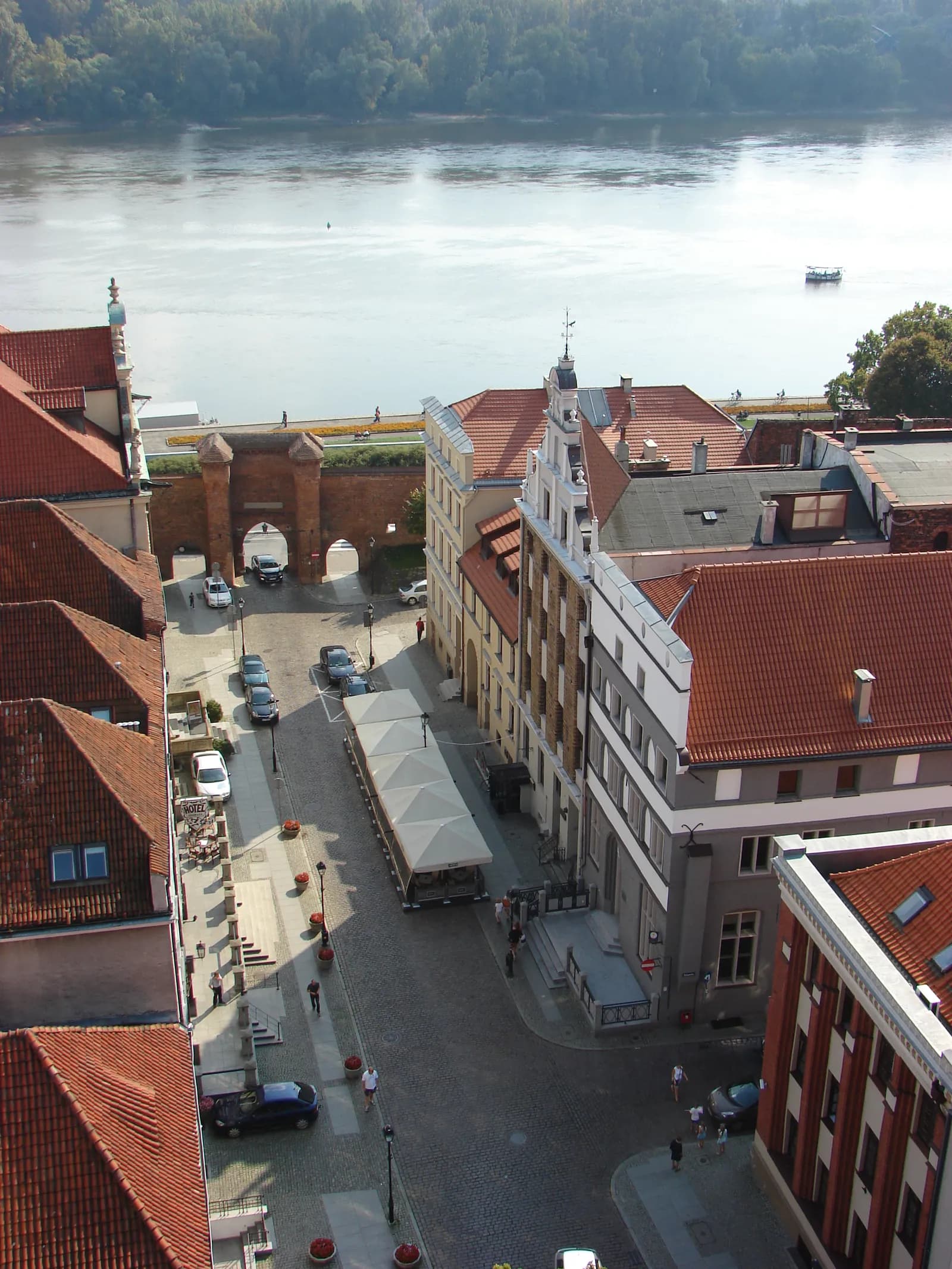
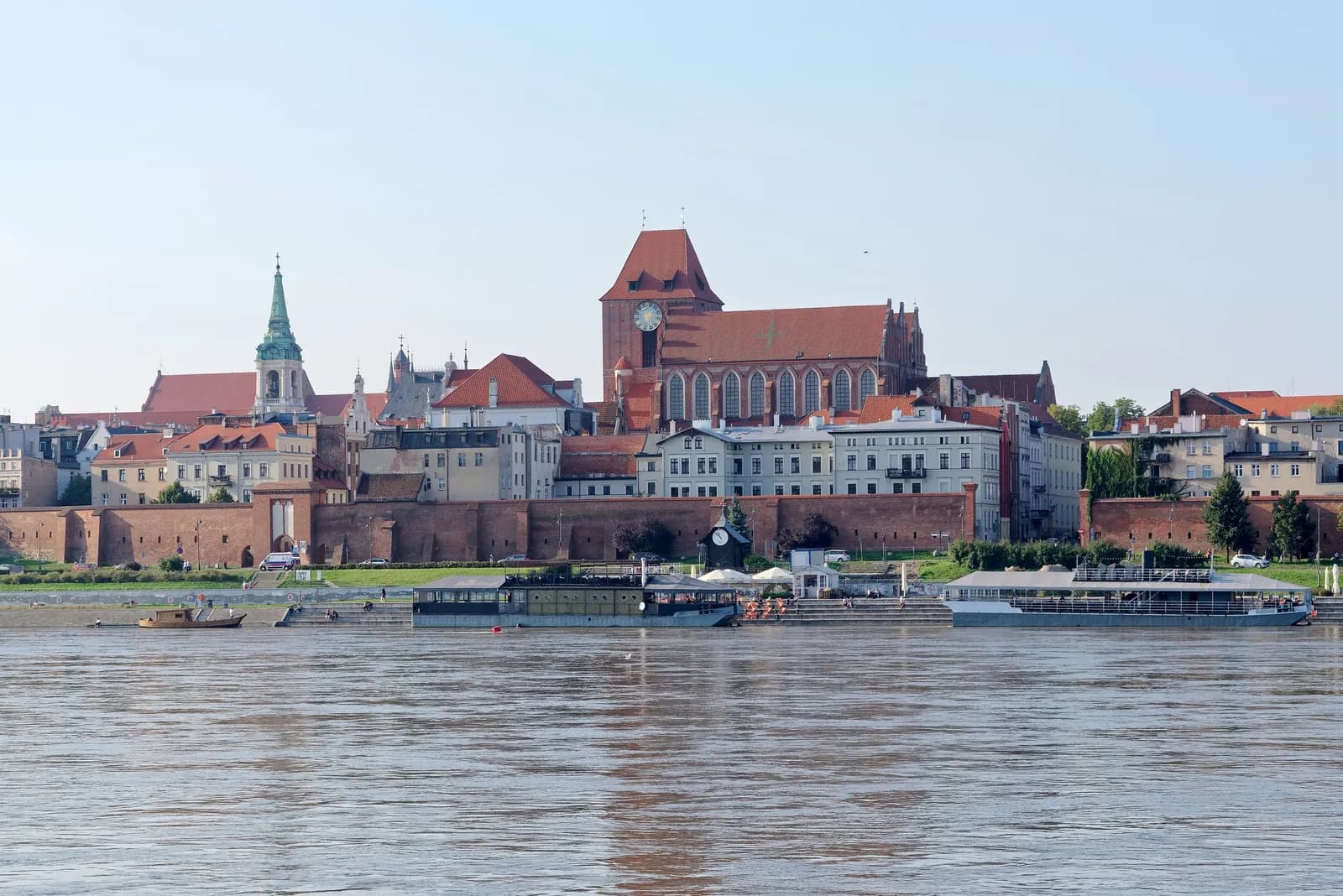
Standing proudly on the banks of the Vistula River, Toruń is one of Poland's most remarkable historic cities. With its skyline of red-brick Gothic churches, medieval merchant houses and imposing defensive walls, the city offers visitors an authentic glimpse into medieval Europe.
Unlike many historic centres across the continent, Toruń escaped much of the destruction of the Second World War. Today, its exceptionally preserved Old and New Towns continue to tell the story of a city shaped by commerce, science and culture for nearly 800 years. Recognised as a UNESCO World Heritage Site since 1997, Toruń remains one of Poland's greatest cultural treasures and one of the finest examples of a medieval trading city anywhere in Europe.
From Teutonic Fortress to Medieval City
The story of Toruń began in the early 13th century when the Teutonic Order established a fortress here in 1231 as part of its expansion into Prussia. Two years later, the settlement received city rights under the Chełmno Law, laying the foundations for rapid urban growth.
Originally built slightly west of its present position, the town was relocated by 1236 to higher ground overlooking the Vistula River. Its strategic location quickly proved invaluable, allowing merchants to control river traffic between the Baltic Sea and the interior of Poland.
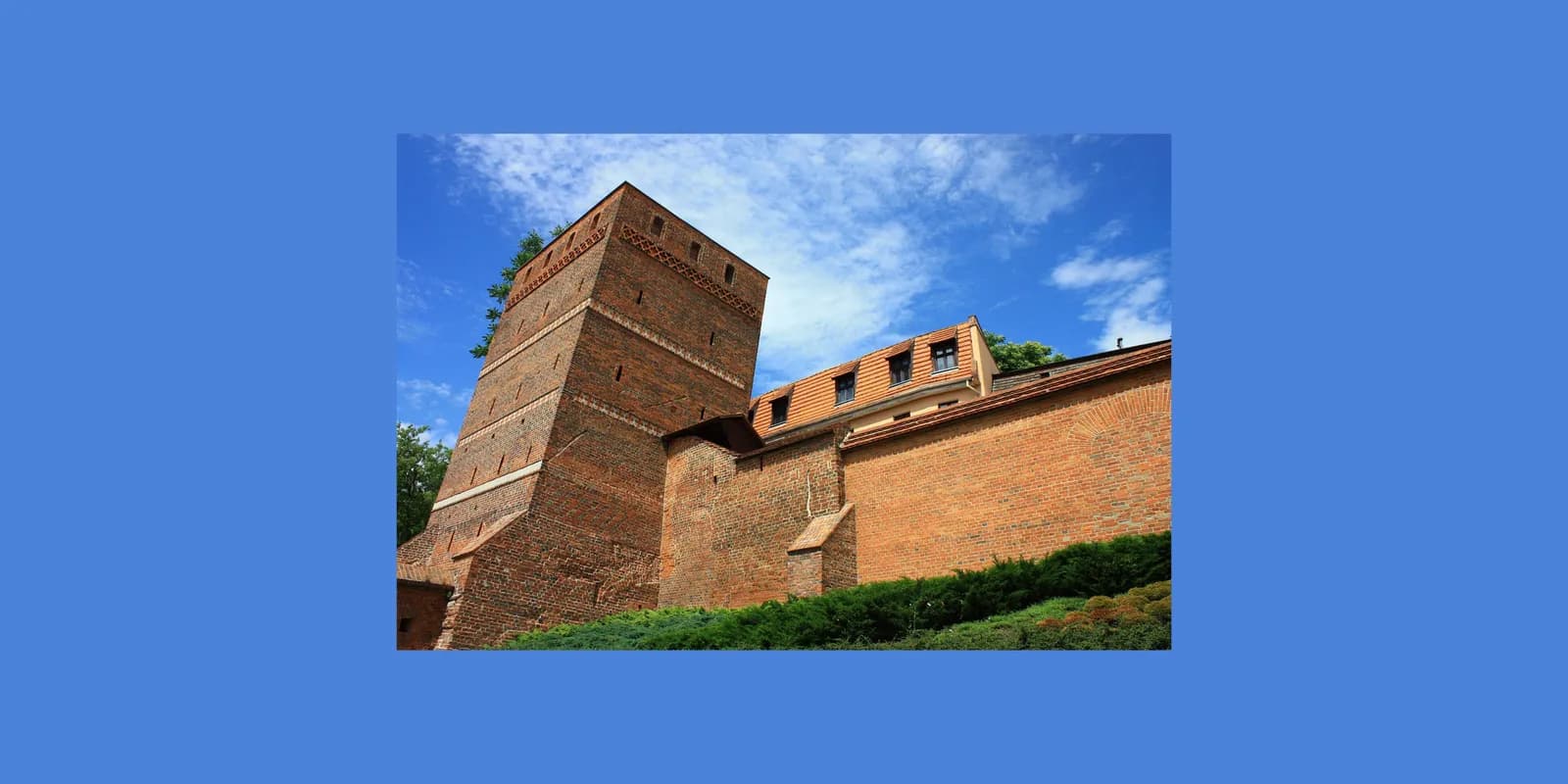
As trade expanded, a separate New Town was founded in 1264 to accommodate growing numbers of craftsmen and artisans, while the Old Town remained the commercial and administrative heart of the city. Together with the Teutonic Castle, these two settlements created an unusually complete example of a planned medieval urban complex that still survives today.
A Hanseatic Powerhouse
Toruń's prosperity was closely tied to the Hanseatic League, the influential network of trading cities that dominated commerce around the Baltic and North Seas during the Middle Ages.
Membership of the League transformed Toruń into one of the region's leading commercial centres. Grain, timber, salt, cloth and other valuable goods passed through its warehouses before continuing towards ports across northern Europe. Historical records suggest the city once contained more than one hundred granaries, reflecting its importance within medieval trade networks.
The wealth generated during this period financed many of the magnificent Brick Gothic buildings that define Toruń today. Elegant merchant houses, churches and civic buildings demonstrated both the city's prosperity and the influence of architectural styles shared among Hanseatic cities.
Gothic Architecture That Survived the Centuries
Few European cities preserve their medieval appearance as successfully as Toruń.
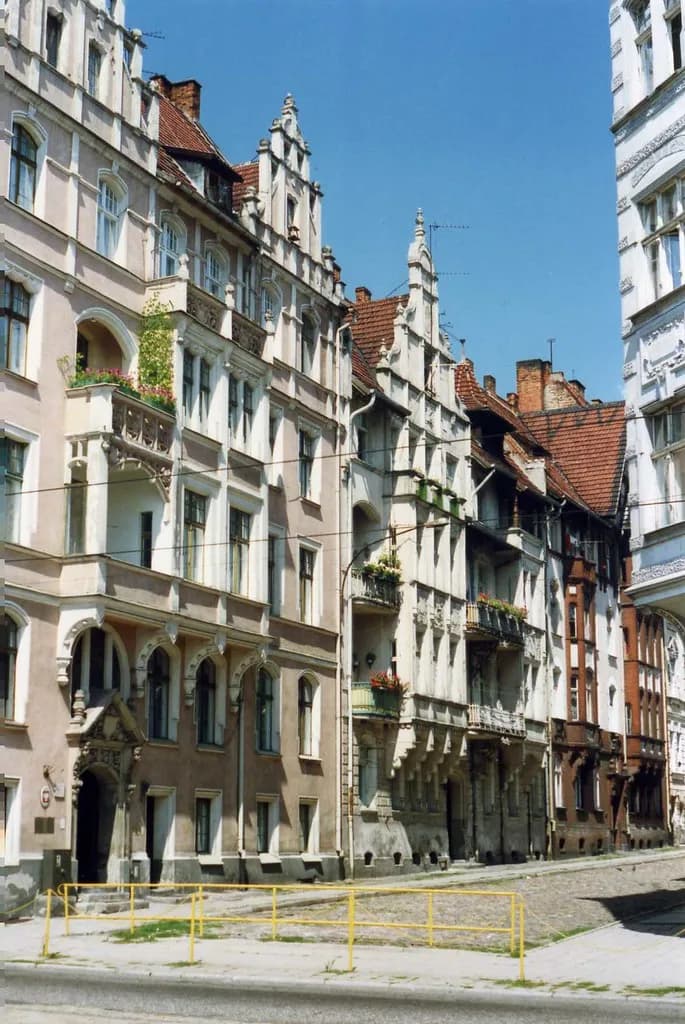
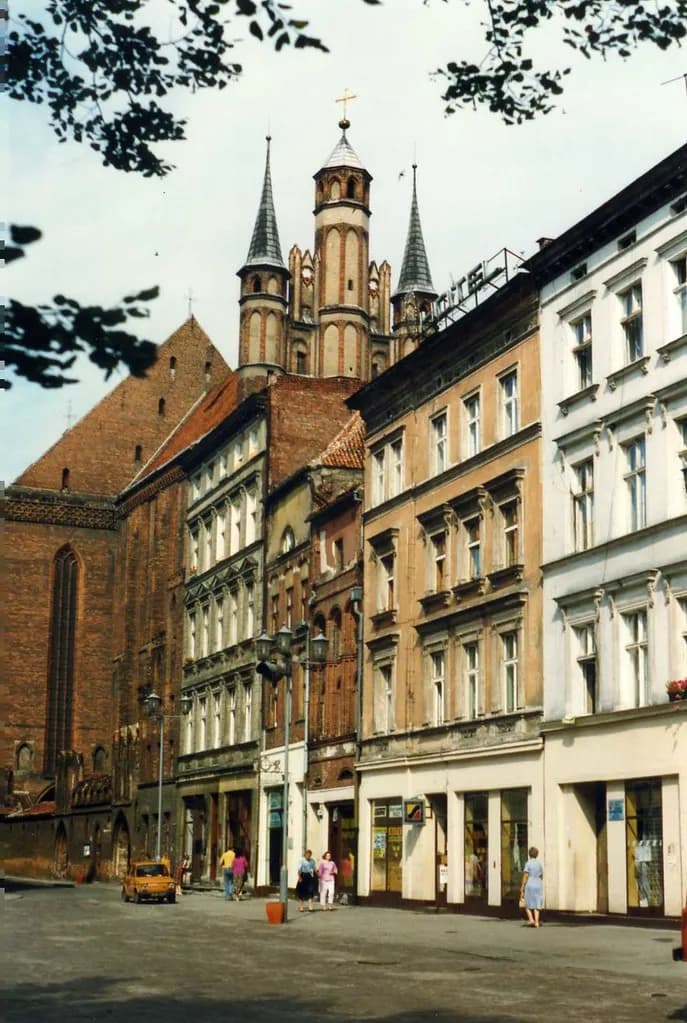
The original street layout remains almost unchanged, while around 300 historic townhouses continue to line its narrow streets and market squares. The impressive Old Town Hall, regarded as one of northern Europe's finest medieval town halls, remains the architectural centrepiece of the city.
Equally striking are the Cathedral of St John the Baptist and St John the Evangelist, St Mary's Church and St James' Church, all outstanding examples of Brick Gothic architecture that have retained much of their original character.
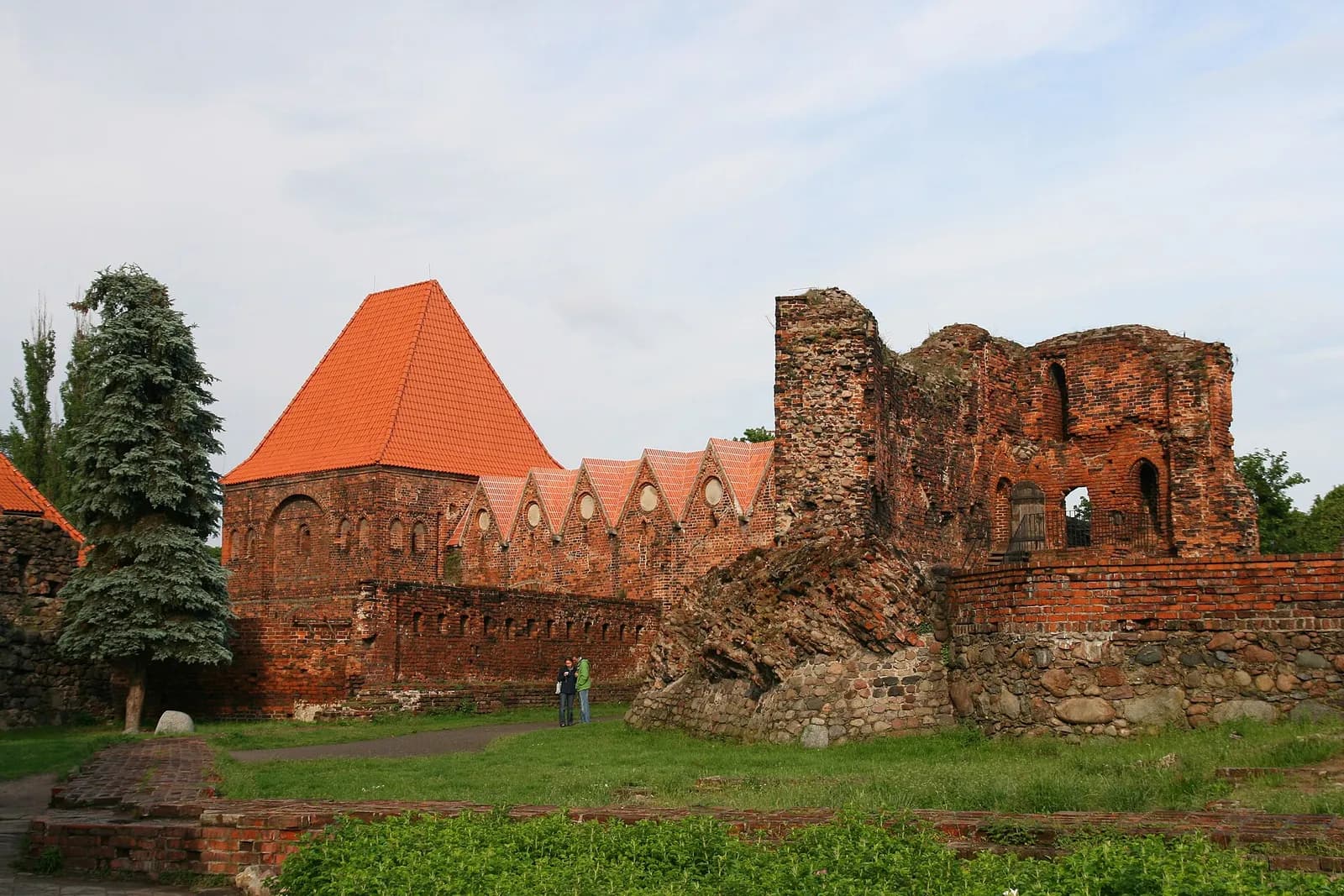
Visitors can also explore the atmospheric ruins of the former Teutonic Castle, destroyed during an uprising by Toruń's citizens in 1454, a symbolic moment that marked the city's growing independence from the Teutonic Order.
The Birthplace of Nicolaus Copernicus
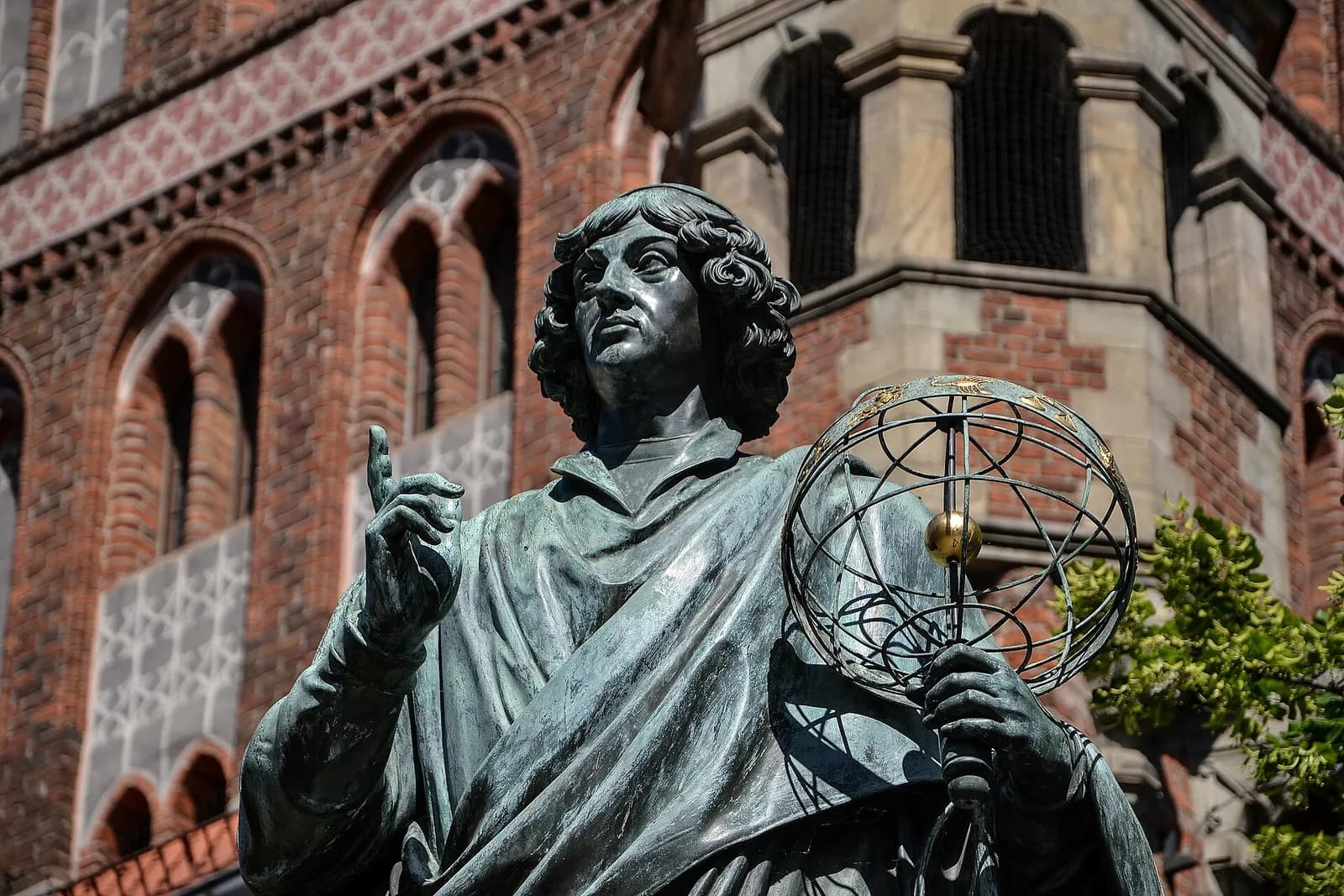
No figure is more closely associated with Toruń than Nicolaus Copernicus.
Born here in 1473, Copernicus developed the revolutionary heliocentric model of the Solar System, fundamentally changing humanity's understanding of the universe. His work, De revolutionibus orbium coelestium, became one of the most influential scientific publications in history.
Today, his birthplace on Kopernika Street operates as a museum, allowing visitors to learn about his life, scientific achievements and the Renaissance world in which he lived. Throughout the city, statues, exhibitions and educational institutions continue to celebrate his remarkable legacy.
Science remains an important part of Toruń's identity, with the city also home to Nicolaus Copernicus University and a popular planetarium that attracts visitors throughout the year.
The Famous Toruń Gingerbread
Alongside Gothic architecture and astronomy, Toruń is synonymous with gingerbread.
The city's baking tradition dates back several centuries, when its location on major trade routes provided access to valuable imported spices, including cinnamon, cloves and ginger. Toruń gingerbread became highly prized across Europe and was once considered a luxury enjoyed by royalty and wealthy merchants.
Today, visitors can discover this culinary heritage in museums, artisan bakeries and workshops where traditional recipes continue to be demonstrated. Gingerbread remains one of the city's most recognisable symbols and an enduring part of its cultural identity.
A UNESCO World Heritage City
In December 1997, UNESCO added the Medieval Town of Toruń to its World Heritage List in recognition of its exceptional preservation and historical significance.
Rather than protecting a single landmark, the designation covers the integrated medieval urban landscape, including the Old Town, New Town, Teutonic Castle ruins, defensive walls, churches, granaries and merchant houses. UNESCO describes Toruń as one of Europe's most complete examples of a medieval trading and administrative centre, where both the original urban plan and architectural fabric remain remarkably authentic.
Why Toruń Still Matters Today
Modern Toruń successfully combines its medieval heritage with contemporary life. Beyond its historic streets, the city is a thriving university centre, hosts internationally recognised cultural events such as the EnergaCAMERIMAGE Film Festival and Bella Skyway Festival, and welcomes more than two million visitors each year.
For residents, Toruń's history provides a strong sense of identity. For visitors, it offers one of Europe's most rewarding journeys into the medieval world, where commerce, architecture, science and craftsmanship have combined to create a city unlike any other in Poland.
Whether admiring the soaring Gothic skyline, following in the footsteps of Nicolaus Copernicus or enjoying freshly baked gingerbread overlooking the Vistula, Toruń continues to celebrate a legacy that has shaped both Polish and European history.